
Renewable Art: Eco-Conscious Design Elements That Look and Feel Luxe
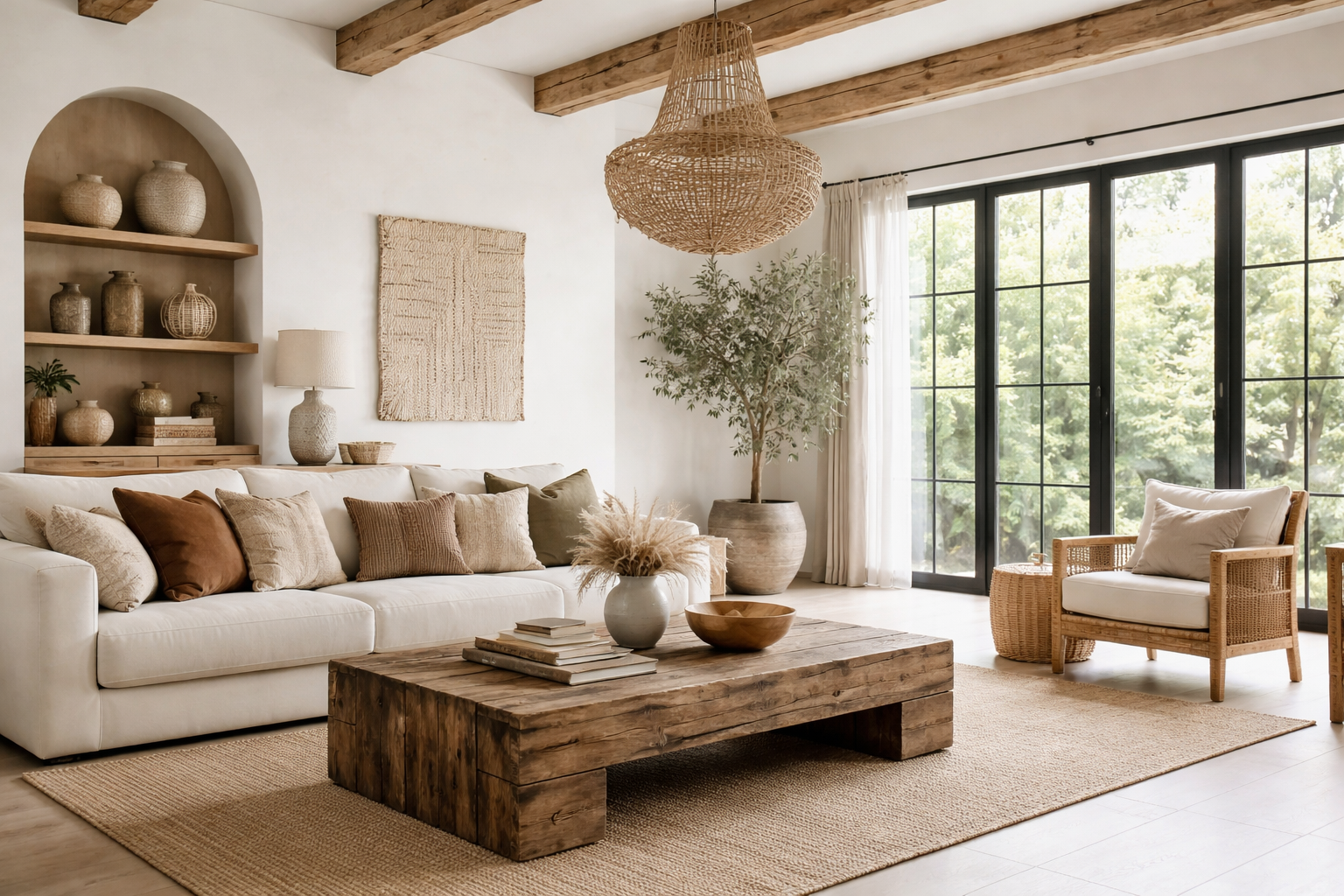
Sustainable interior design ideas that bring together beauty, comfort, and elevated living
For years, sustainable design was treated like it had to look stripped down, rough around the edges, or obviously “green.” That mindset is outdated. Today’s eco-conscious interiors can feel every bit as polished, refined, and inviting as any high-end space. In many cases, they feel even better because they are rooted in authenticity, craftsmanship, and thoughtful choices that last.
At Artisol Design, we believe great design should do more than look beautiful. It should support the way you live, reflect your values, and create a home that feels intentional from top to bottom. Eco-conscious design is not about sacrificing style. It is about choosing materials and details that bring warmth, character, and sophistication into a space while reducing waste and supporting a more responsible approach to living.
When done well, renewable art and sustainable design elements create interiors that feel rich, layered, and timeless.
What Is Renewable Art in Interior Design?
Renewable art in interior design refers to the use of sustainable, responsibly sourced, reclaimed, or renewable materials in ways that feel artistic, elevated, and highly intentional. This can include everything from reclaimed wood accents and artisan-made furnishings to organic textiles, recycled materials, and nature-inspired finishes.
The goal is not to make a home look rustic unless that is the desired style. The goal is to create a space that feels luxurious, curated, and deeply connected to quality. Eco-conscious design has evolved far beyond trend-driven décor. It is now one of the smartest ways to build interiors that are both beautiful and enduring.
Choose Sustainable Materials That Feel Refined
Luxury starts with materials, and some of the most striking finishes available today are also some of the most sustainable. The difference is in how they are selected and applied.
Reclaimed wood can bring depth, history, and warmth to walls, shelving, ceiling beams, or statement furniture. Bamboo offers a clean, contemporary look while remaining one of the most renewable resources available. Natural stone, cork, recycled glass, rattan, linen, wool, and organic cotton all add texture and sophistication while supporting a more eco-conscious design direction.
What matters most is curation. A few well-placed sustainable materials will almost always create a stronger and more elevated result than trying to layer in every eco-friendly option at once. High-end design is about restraint and balance, not excess.
Why Timeless Design Is the Most Sustainable Choice
One of the clearest connections between luxury and sustainability is timelessness. Trend-heavy interiors often need to be updated quickly, which creates waste and unnecessary spending. Timeless design avoids that cycle.
When a home is built around classic forms, durable finishes, quality craftsmanship, and a grounded color palette, it stays relevant longer. That means fewer replacements, fewer impulsive design decisions, and a space that continues to feel beautiful year after year.
Timeless interiors also tend to feel more luxurious because they are not chasing attention. They feel settled, confident, and intentionally designed.
Add Character with Artisan-Made Pieces
Mass-produced pieces rarely deliver the same depth as something made by hand. Artisan-made furnishings and décor bring personality into a room, and they often support more sustainable practices at the same time.
Handmade ceramics, custom wood pieces, woven lighting, hand-finished tile, and one-of-a-kind wall art introduce detail and texture that make a home feel collected rather than copied. These choices can transform a room by adding originality, craftsmanship, and a stronger connection to the materials themselves.
A luxe interior should never feel generic. It should feel layered, personal, and thoughtfully assembled. Artisan details help create exactly that.
Use Natural Textures to Create Soft Luxury
Not every luxurious room needs polished surfaces and dramatic shine. Some of the most elevated interiors rely on subtle texture and a quiet sense of richness.
Natural materials are especially effective here. Linen drapery can soften a room while adding movement. Wool rugs create comfort and warmth. Cane accents, woven details, reclaimed wood furniture, and organic textiles all contribute to a look that feels grounded and sophisticated.
These materials make a space more inviting on a sensory level. They create interiors that not only look beautiful but feel comfortable and lived in, which is often what homeowners are truly after.
Statement Pieces Can Still Be Eco-Conscious
Sustainable design does not have to be understated. A bold room can still be responsible.
A sculptural light fixture made from recycled materials, a dramatic reclaimed wood dining table, or a large art piece created from repurposed elements can anchor the room while supporting a more intentional design story. Statement pieces are often what give a home its identity. When those pieces are made thoughtfully, they become even more meaningful.
The strongest interiors are not built around trends. They are built around memorable choices that reflect both style and substance.
Let Nature-Inspired Color Palettes Lead the Way
Color has a major impact on whether a room feels calm, elevated, and cohesive. Nature-inspired palettes are especially effective in eco-conscious interiors because they pair beautifully with renewable materials and tend to hold their appeal over time.
Warm whites, sand tones, soft taupes, muted greens, clay hues, deep browns, earthy grays, and charcoal tones all create a grounded, sophisticated look. These colors feel refined without being cold, and they work well across many design styles.
A strong natural palette also allows sustainable textures and artisan details to stand out without overwhelming the room.
Eco-Conscious Design Supports Wellness Too
A well-designed home should support more than visual appeal. It should also contribute to comfort and well-being.
That is one reason sustainable interior design continues to resonate with homeowners. Low-VOC paints, natural fibers, responsibly sourced materials, and healthier finish choices can improve indoor air quality and create a more comfortable living environment. These details may not always be the most visible, but they have a lasting impact on how the home feels every day.
True luxury is not only about appearance. It is also about ease, comfort, and peace of mind.
Curated Spaces Always Feel More Luxurious
One of the biggest advantages of eco-conscious design is that it encourages intentional decision-making. Instead of filling a room with unnecessary pieces, homeowners focus on what truly adds function, beauty, and long-term value.
That mindset naturally leads to more curated interiors. A room with fewer but better pieces often feels far more elevated than one packed with décor that serves no purpose. Sustainable design and luxury design overlap here in a very real way. Both reward quality over quantity.
That is what gives a space its sense of refinement.
Create a Home That Looks Beautiful and Lives Beautifully
Renewable art is more than a design trend. It reflects a smarter way of thinking about interiors. Homeowners no longer want to choose between beauty and responsibility. They want homes that feel elegant, comfortable, and aligned with the way they want to live.
Eco-conscious design makes that possible.
By combining renewable materials, artisan craftsmanship, timeless forms, and natural textures, you can create a space that feels sophisticated without feeling forced. The result is a home that looks luxe, feels inviting, and delivers lasting value in more ways than one.
At Artisol Design, we believe the best interiors are the ones that balance beauty, livability, and intention. Sustainable design is not a limitation. It is an opportunity to create something more meaningful.